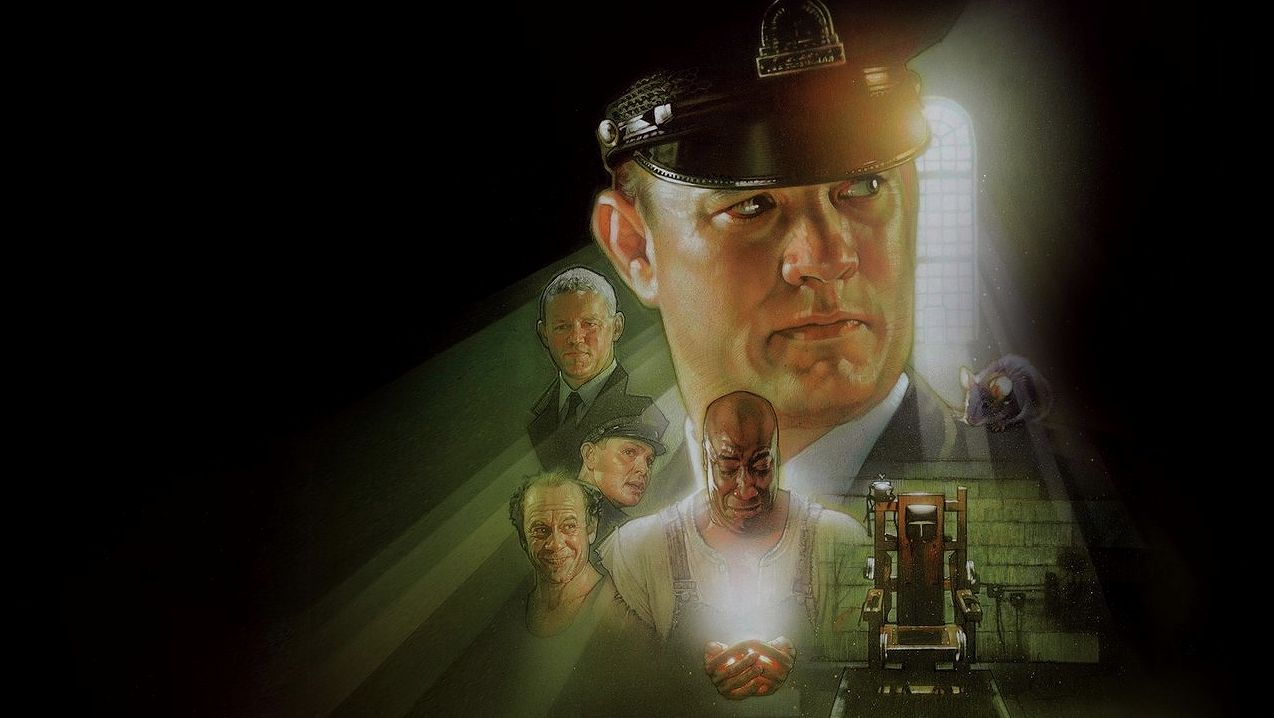
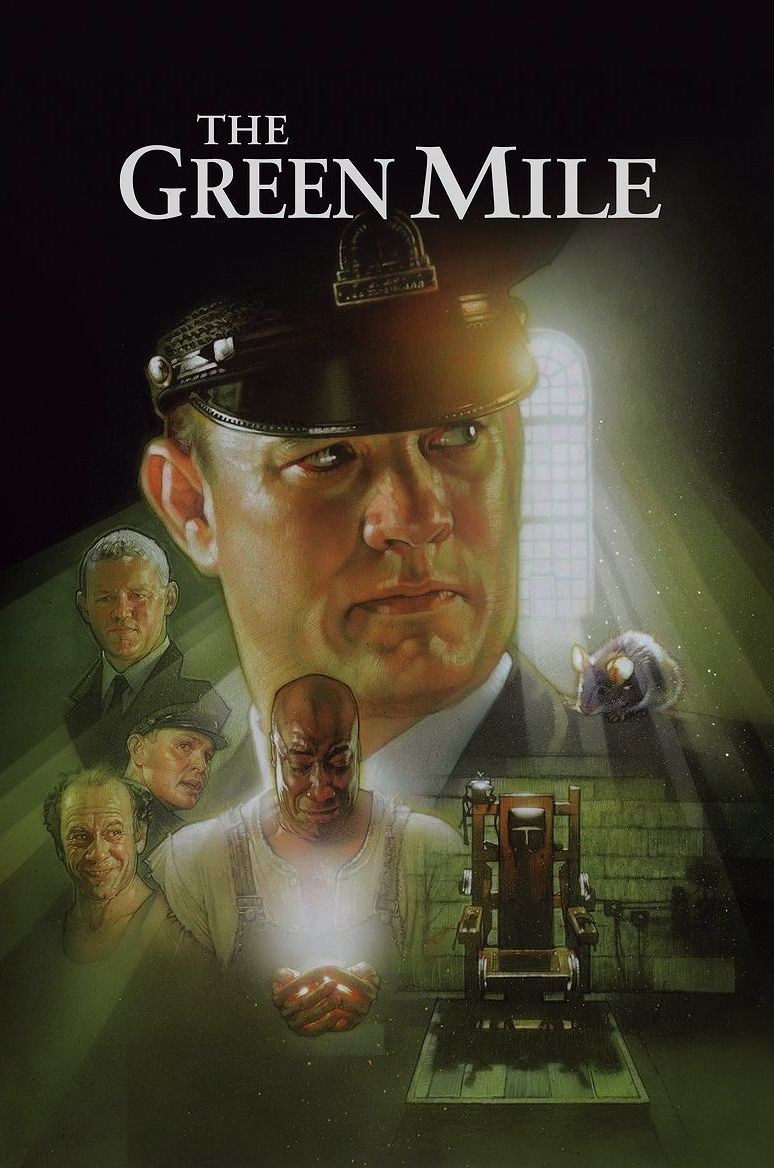
The Green Mile is not just an ordinary prison drama, but a poem that delves into the meaning of life, death, and hope amidst despair. Adapted from Stephen King's novel, the story is told through the eyes of Paul Edgecomb, head guard of death row, whose life changes when he meets John Coffey, a giant black inmate with supernatural powers. The film explores the human psyche, both dark and light, while questioning justice and mercy.
Plot Summary (No Spoilers)
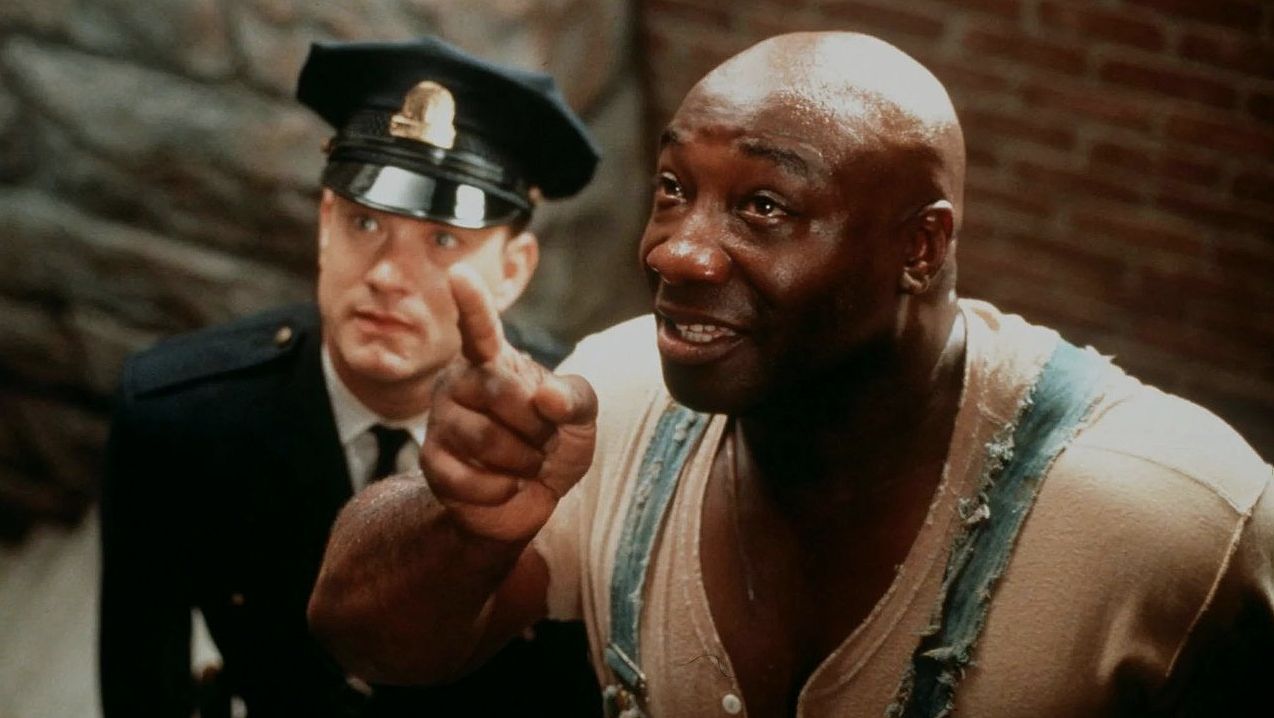
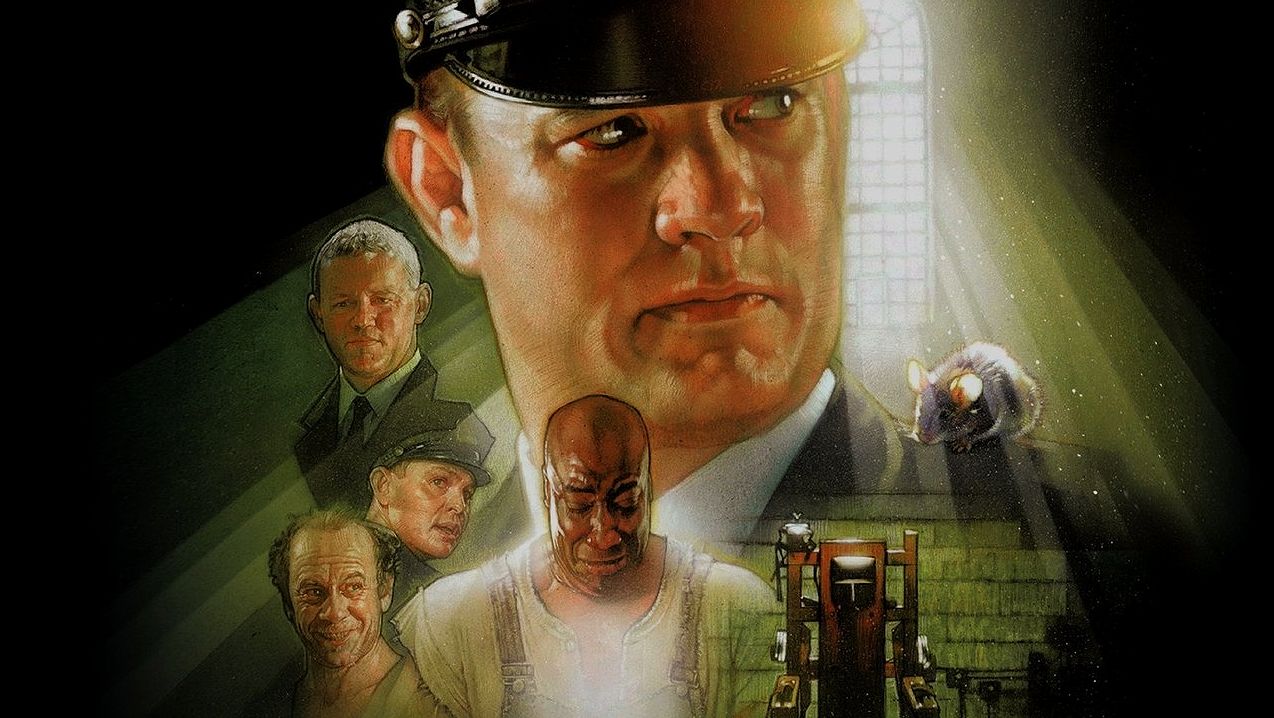
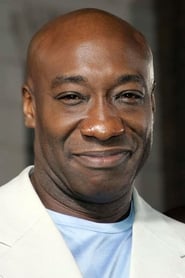
The story begins in 1935 at Cold Mountain Penitentiary in Louisiana. Paul Edgecomb (Tom Hanks) is the head guard overseeing death row inmates on the green corridor called The Green Mile. Each inmate has a different fate, but all await their walk to the electric chair. One day, John Coffey (Michael Clarke Duncan), a large black man, is sent in for the murder of two young girls. Paul and his team notice something unusual about John: he is gentle, afraid of the dark, and possesses healing powers. Paul begins to suspect John may be innocent, while also dealing with other inmates and a cruel guard named Percy Wetmore (Doug Hutchison).
Acting and Characters
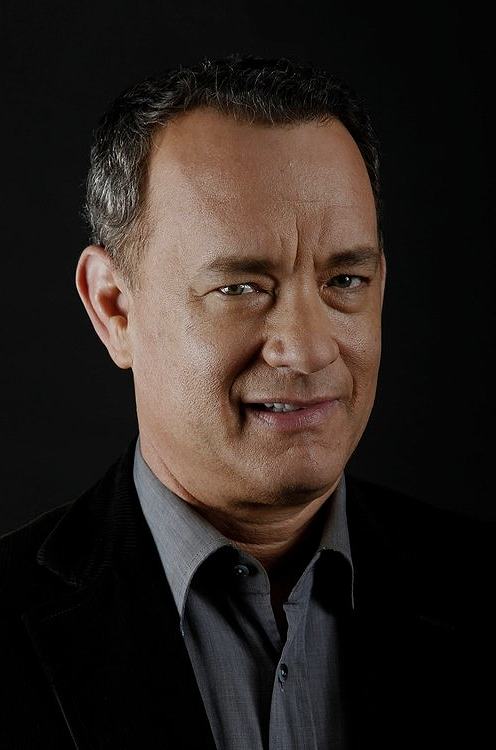
Tom Hanks convincingly portrays Paul Edgecomb, a good man working in an unjust system. Hanks shows the internal conflict between duty and doubt with subtlety. Michael Clarke Duncan as John Coffey is the heart of the film. With a gentle voice and innocent eyes, he makes the audience forget his massive size and see only a pure soul. His performance deserves high praise. David Morse as Brutus 'Brutal' adds dimensions of loyalty and courage. Supporting characters like Percy, played by Doug Hutchison, effectively evoke hatred.
Direction, Cinematography, and Music
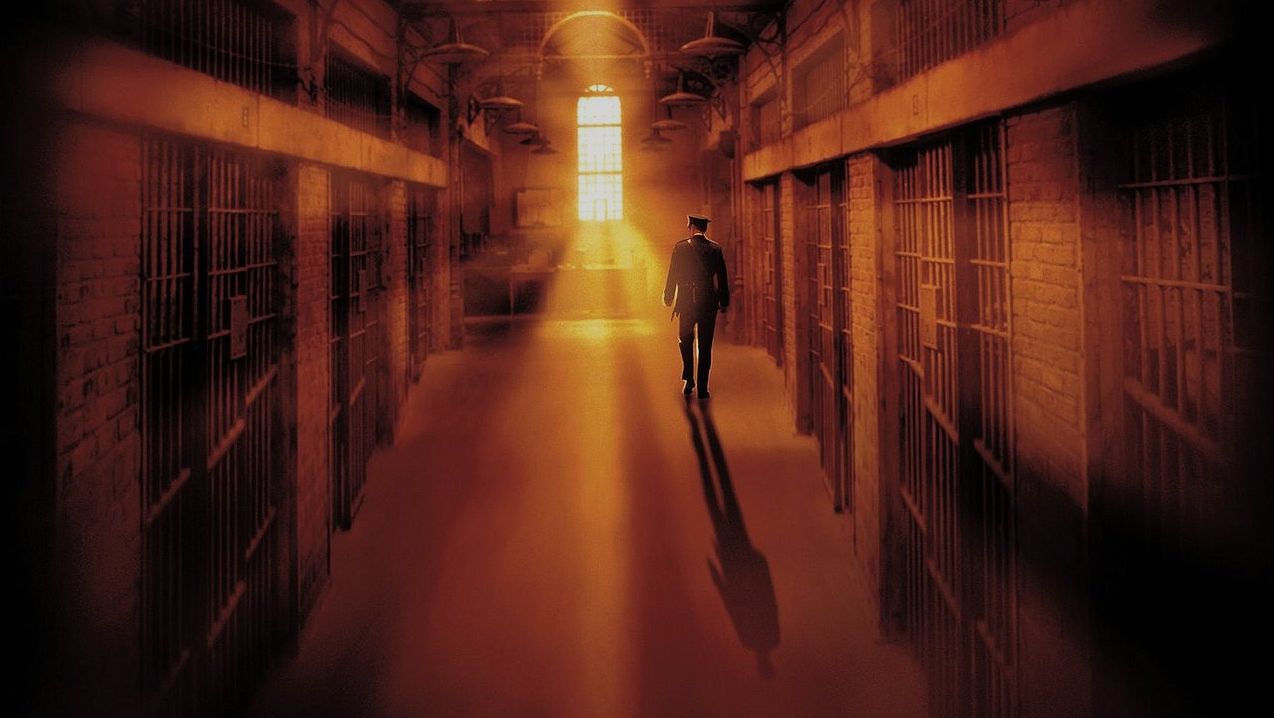
Frank Darabont, who previously directed The Shawshank Redemption, presents the story with delicacy and patience. The 189-minute runtime allows viewers to absorb emotions and deeply understand the characters. Cinematography by David Tattersall creates an atmosphere that is both gloomy and warm, especially night scenes using green neon lights for a mystical feel. The score by Thomas Newman is another highlight, with melancholic and beautiful piano music perfectly enhancing the film's mood.
Editorial Analysis
The Green Mile is not just a film about miracles, but one that questions human and divine justice. John Coffey symbolizes goodness judged by society due to racial prejudice and appearance. The film shows how a system designed for punishment becomes a tool of injustice, while characters like Paul face dilemmas between duty and doing what is right. By spending much time building relationships between guards and inmates, the ending has immense emotional impact. Despite supernatural elements, the film speaks about humanity in the most realistic way.
Verdict
The Green Mile is a film everyone should watch at least once in their lifetime. With outstanding acting, a strong story, and profound insights, it is suitable for those who love quality dramas and are not afraid of length. Even if it brings tears, it will leave you with encouragement and belief in goodness.
Screenshots
👍 Pros
- +Powerful performance by Michael Clarke Duncan
- +Complex and emotional storyline
- +Excellent music and beautiful cinematography
👎 Cons
- −3-hour runtime may feel lengthy for some
- −Middle part of the film progresses slowly
Top Cast



FAQ
It is adapted from Stephen King's novel The Green Mile, originally published as a serial in 1996.
It was first released in 1999.
He has the ability to heal diseases and sense others' feelings, and can even revive dead organisms.
They are not directly related, but both are works by the same director, Frank Darabont, and share themes of prison and hope.