When a heartbroken scientist decides to build a time machine to change the past, he finds the future waiting is even more brutal. The Time Machine (2002) is a remake of H.G. Wells' classic novel, presenting a dystopian future that is both beautiful and terrifying. Our editorial team will take you to explore the depths of this film, including its strengths, weaknesses, and lingering questions.
Plot Summary (No Spoilers for the Ending)
The story follows Alexander Hartdegen (Guy Pearce), a brilliant scientist in 1903 who loses his beloved Emma (Sienna Guillory) in a tragic event. He devotes his life to building a time machine, hoping to change the past. But every time he tries to fix it, things get worse. Eventually, he decides to leap 800,000 years into the distant future.
There, he finds humanity has split into two species: the gentle surface-dwelling Eloi and the underground predator Morlocks, who hunt the Eloi for food. Alexander must team up with Mara (Samantha Mumba), a young Eloi woman, to fight the Morlocks and face their intelligent leader, the Uber-Morlock (Jeremy Irons).
Acting and Characters
Guy Pearce convincingly portrays Alexander's determination and pain, from his love for Emma to his fear when facing the unfamiliar future. Samantha Mumba as Mara is bright and strong, creating good chemistry with Pearce. Jeremy Irons, though appearing briefly, delivers a terrifying and powerful performance as the Uber-Morlock. However, the supporting character Vox (Orlando Jones) is used too much as comic relief, disrupting the film's mood.
Direction, Visuals, and Music
Director Simon Wells, great-grandson of H.G. Wells, chooses stunning visuals, especially the scene where New York's future is overrun by nature. The CG in 2002 is well-done, though some parts look dated now. Music by Klaus Badelt enhances the film's emotions, particularly in the time travel scenes, which are full of wonder and sadness.
Editorial Analysis
The Time Machine is not just a sci-fi action film; it also addresses themes of love, loss, and acceptance. Alexander tries to change the past because he cannot let go, but eventually learns that some things should not be fixed. However, the film's weakness is its fast-paced plot, especially the time travel with almost no scientific explanation, which may disappoint fans of the original novel. But the clear class division perspective remains interesting.
Verdict
The Time Machine is a film suitable for fans of adventure sci-fi that emphasizes emotion over realism. Despite flaws in storytelling, the acting and beautiful visuals compensate to some extent. If you are a fan of Guy Pearce or enjoy dramatic time travel concepts, this film is worth watching.
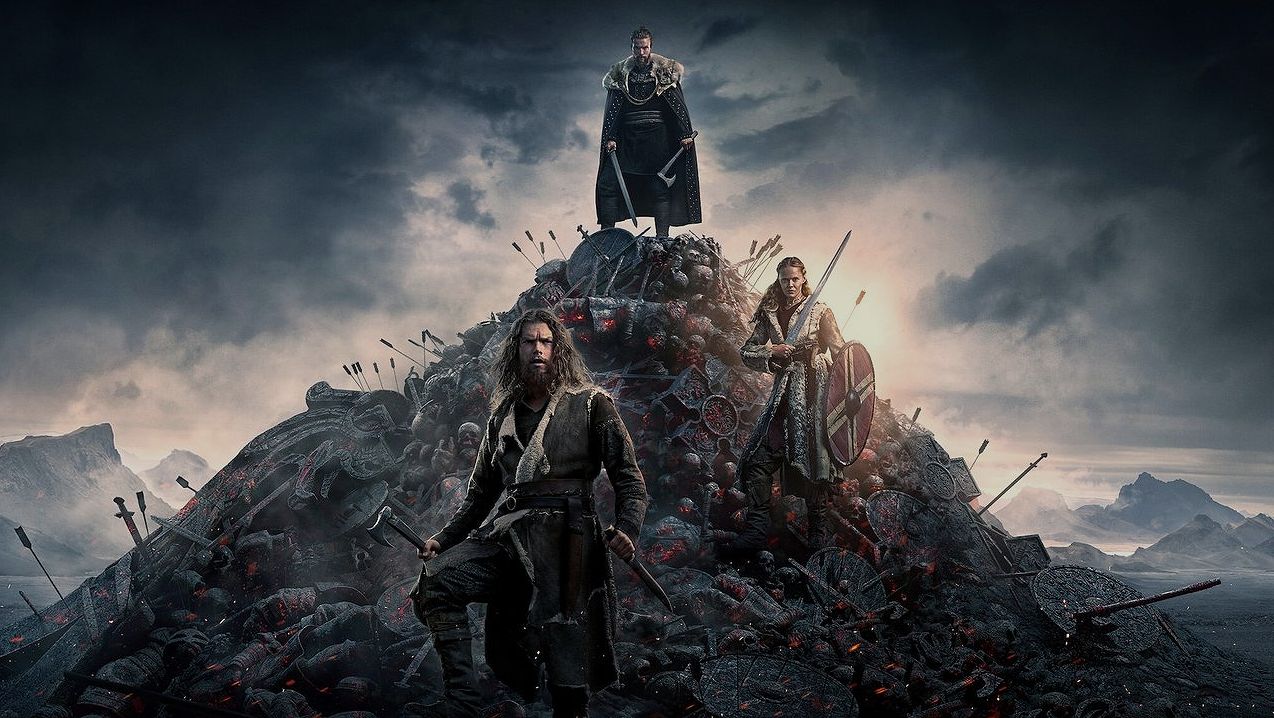
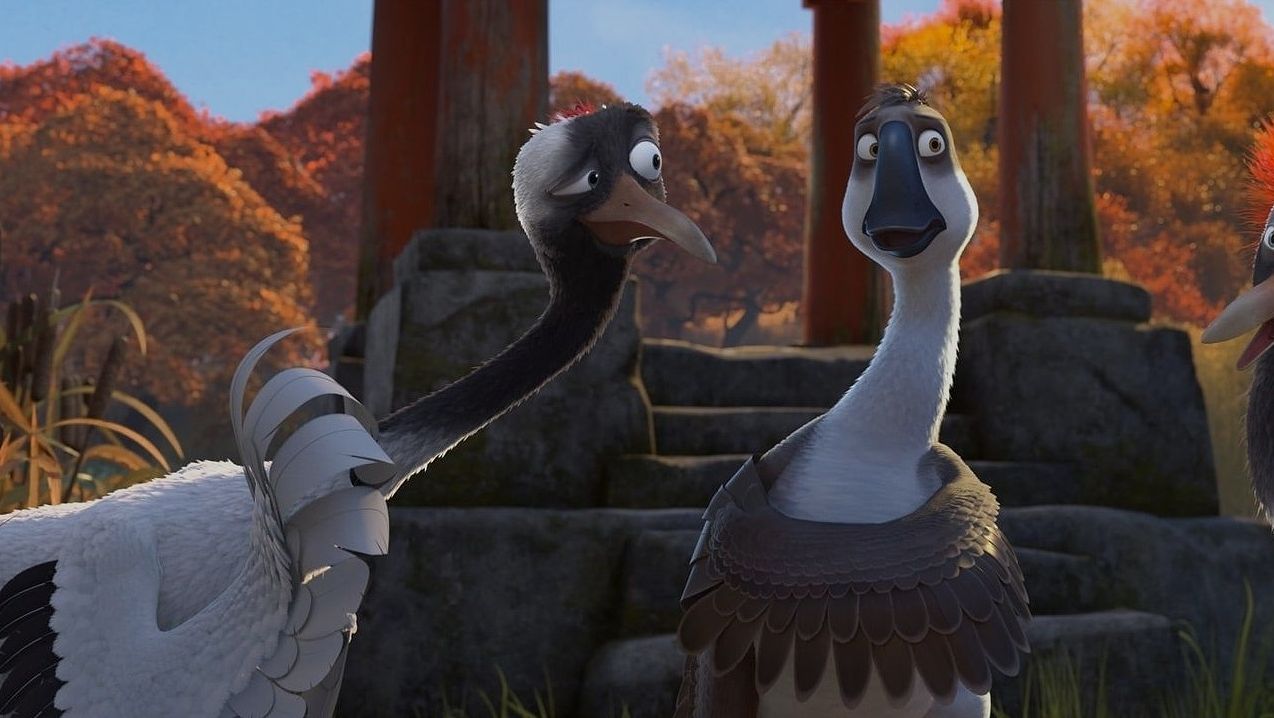
Screenshots


👍 Pros
- +Guy Pearce and Jeremy Irons' performances are excellent
- +Beautiful and imaginative future visuals
- +Music score enhances emotions well
👎 Cons
- −Plot moves too fast, lacking scientific detail
- −Some supporting characters (e.g., Vox) feel unnecessary and disrupt the mood
- −Some CG looks outdated now
Top Cast





FAQ
The film adds content about Alexander's love and loss, which is not in the novel, and changes the reason for time travel from curiosity to a desire to change the past.
The film starts in 1903 and 1899, then the protagonist travels to 2037, and finally to the year 802,701.
The film has a score of 6.3/10 on TMDB, considered average. It is suitable for those who like classic sci-fi and are not too concerned with scientific realism.